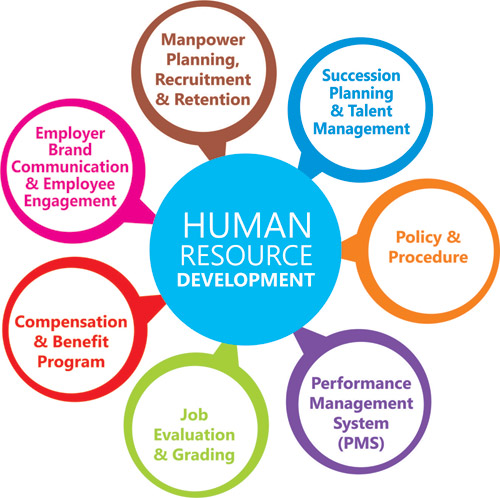
HUMAN RESOURCE DEVELOPMENT
This unit or subject is examined by KNEC on those taking the following courses:
Introduction
This module unit is intended to equip the trainee with knowledge, ski’ and attitudes that will enable him/her manage the training and development of employees in an organization.
General Objectives
At the end of the module unit, the trainee should be able to:
- Recognize the importance of training and development of employe: in an organization
- Plan and implement career development programmes for employe:
- Conduct an employee training needs analysis
- Design and implement an appropriate employee training programr;
- Manage the emerging issues and trends for employee training and development in an organization
The topics that need to be covered as required by KNEC in this unit/subject are as follows:
Topic 1: Introduction to Human Resource Development
- Meaning of terms used in human resource development
- Need for employee training
- Importance of training and development
- Approaches to training
- Nature of training policies
- Responsibility for training in an organization
- Training cycle
Topic 2: Training Needs Analysis (TNA)
- Meaning of terms used in Training Needs Analysis
- Need for Training Needs Analysis
- Process of carrying out Training Needs Analysis
- Meaning of training gaps
- Training Needs Analysis process
- Techniques used in Training Needs Analysis
Topic 3: Planning and Designing a Training Programme
- Meaning of terms related to training programme
- Formulation of training programme objectives
- Components of a training budget
- Appropriate training resources
- Selection of appropriate training technique
- Theories of learning
- Principles of learning
- Group dynamics in learning
- Process of selecting trainers
- Factors to consider when selecting suitable training venue
- Design of a training programme
- Methods of implementing a training programme
- Techniques of evaluating a training programme
- Process of evaluating a training programme
Topic 4: Talent Management
- Meaning of terms related to talent development
- Components of talent development programme
- Common business strategies in workforce planning
- Consequences for lack of workforce planning
- Process of linking talent development programme to business strategy
- Performance standards used for evaluating the level of employees performance
- Pitfalls in talent selection
- Common methods used for selecting candidates for recruitment
- Common sources of subjectivity in talent assessment of employees
- Management the career of low performers
- Tools for talent development
- Advantages of mainstreaming diversity into hiring process
Topic 5: Career Development
- Meaning of terms used in career development
- Objectives of career development
- Importance of career development
- Types of career development programmes
- Process of career development
- Employee counselling
Topic 6: Mentoring in Human Resource Development
- Meaning of terms used in mentoring
- Importance of mentoring in human resource development
- Benefits of mentorship
- Phases of mentorship process
- Characteristics of a good mentor
- Types of mentoring
- Critical skills for successful mentorship
- Principles of adult learning underlying the mentoring relationship
Topic 7: Coaching in Human Resource Development
- Meaning of coaching
- Difference between coaching and counseling
- Reasons for the increasing popularity of coaching
- Distinction between coaching and mentoring relationships
- Qualities of an effective coach
- Benefits to coaching
- Types of coaching approaches
- Coaching styles
- Forms of coaching delivery
- Phases of coaching relationship
- Coaching model for leadership development
- Blending organisational goals and coaching
- Barriers to coaching
Topic 8: Emerging Issues and Trends
- Emerging issues and trends
- Challenges posed by emerging issues and trends
- Ways of coping with challenges posed by emerging issues and trends