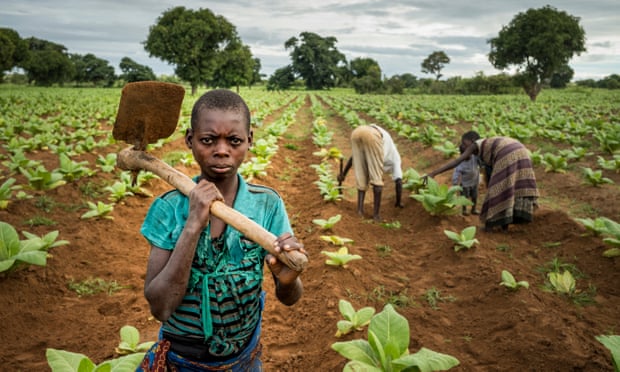
Child Labour
Definition of terms
Child – means any person under the age of (18) years
Child labor – refers to any situation where a child provides labor in exchange for payment, and includes any situation where:
- A child provides labor as an assistant to another person and the child’s work is taken to be that of the other person for the purposes of payment
- A child’s labor is used for gain by an individual or institution whether or not the child benefits either directly or indirectly
- There is in existence a contact for services where the party providing the services is a child whether the person using the services do so directly or through someone else
Child work – means any work that is not harmful to the child’s health or all that that a child does to foster education
Forms of Child Labor
- Herding
- Selling/ peddling illicit drugs
- Hawking
- Transport operators
Factors contributing to Child Labor
- Poverty
- Negligence of parents
- Ignorance of Child’s Rights
- Orphaned
Community Level of Awareness on Child Labor
Millions of Kenyan children cannot attend school. The governments own estimates admit that most of the more than four million children out of school are child workers (ANPPCAN Kenya).
Child rights crisis has many different causes, economic, political and cultural, and requires a broad-based, multi-sectoral response. Every sector of Kenyan society needs to be involved in developing practical and effective measures to address the myriad problems facing our children (including child labor).
Possible interventions to eliminate child Labor
- Enforcing laws on child rights
- Parents, children, teachers, employers, and communities
- Educate children through curriculum
- Empowering community leaders and local administration
- Organizing lobby groups at community levels
- Setting help/reporting desks at community levels
Appropriate life skills eliminating child labor
- Negotiation
- Assertiveness
- Effective communication
- Decision making
- empathy